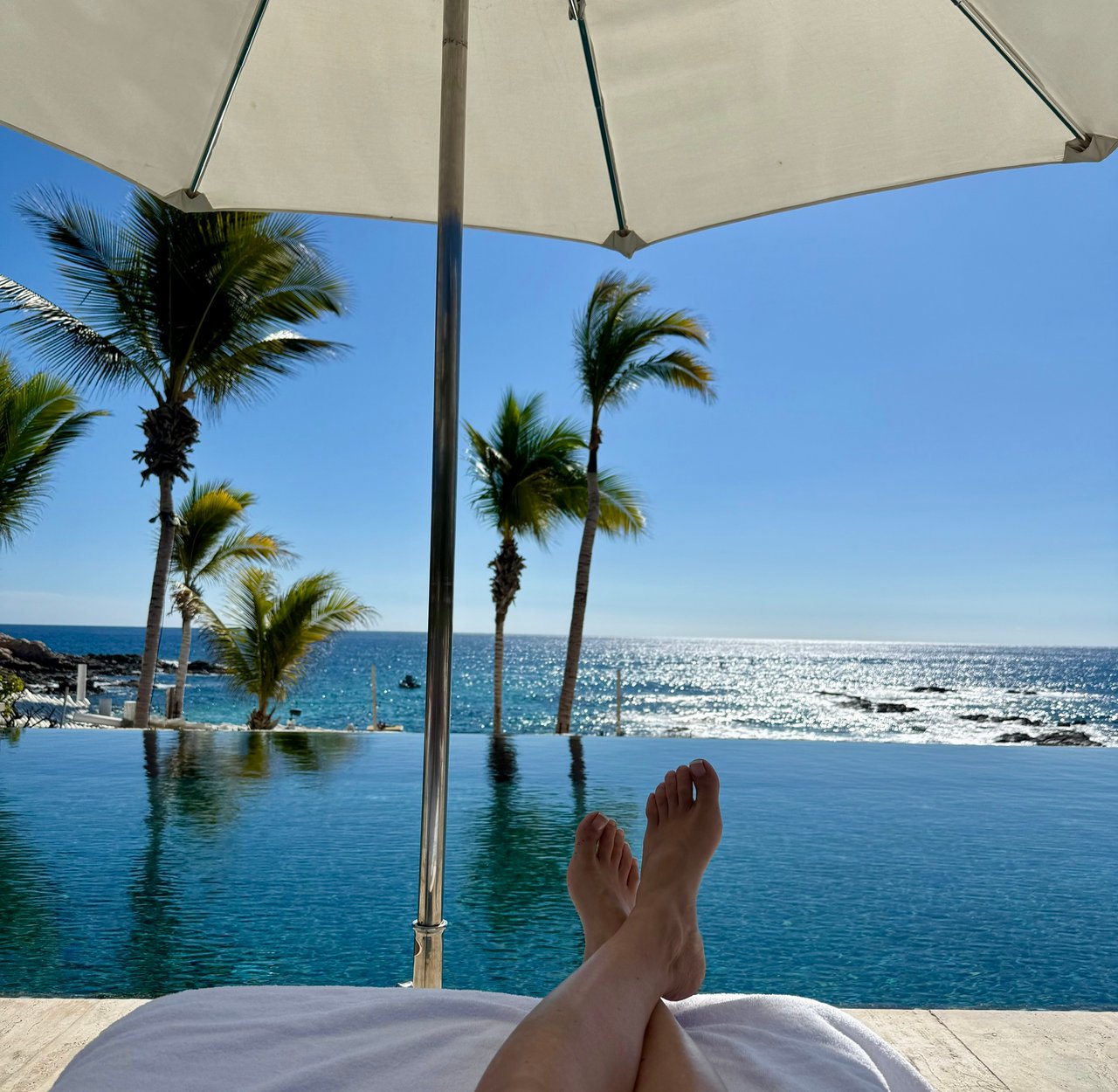
Living in Los Cabos Full Time or Seasonally
What to Know Before You Move
By Toni Kelly | Sunlinks Real Estate
It usually starts innocently enough.
You come to Cabo for a week. You find a favorite breakfast spot. You start recognizing people on your morning walk. Somewhere between the beach and dinner, you say, “We could actually live here.”
Then you start looking at homes.
Having grown up in Cabo San Lucas and returned to live in Los Cabos, I understand the pull. There’s a lot to love about building a life around the outdoors, the ocean and a community you enjoy.
Turning that idea into a move takes a little groundwork. Whether you’re thinking about winter escapes or a full-time address, here’s what I’d want you to consider before packing the car.
Start With the Life You Want on a Tuesday
A holiday itinerary can fit a surprising amount into seven days. Living here means deciding which parts you want in your regular routine.
Would you walk to coffee? Play golf several mornings a week? Drive children to school? Work from home? Go to the beach with your dog?
Picture an ordinary Tuesday, then choose a location that makes it easy.
Try the drive from a prospective home to the places you’ll actually use. Visit in the morning and evening. Listen for traffic, construction and nearby activity. Test the mobile signal inside the house.
The view matters. So does enjoying the rest of your day.
Full Time or Seasonal Changes the Brief
A seasonal home might revolve around easy arrivals, visiting family and someone reliable to look after it between stays.
A full-time home needs to support everyday life throughout the year, including hotter weather, work commitments, healthcare and errands.
If you’re living here seasonally | If you’re moving full time |
|---|---|
Plan who checks the home while you’re away | Test the location against your daily routine |
Review vacancy conditions in your insurance | Arrange healthcare for an extended stay |
Budget for carrying costs during unused months | Review schooling, work and transport needs |
Arrange preparation before each arrival | Experience the neighborhood in different seasons |
Confirm guest and rental rules | Check year-round utility and service arrangements |
Renting for a longer stay can be a useful first step. Grocery shopping, a video call and an afternoon at home will teach you things a resort holiday won’t reveal.
Pick Your Neighborhood With Your Shoes On
Explore the areas you’re considering on foot and by car.
In San José del Cabo, spend time around downtown, the galleries and the places where you’d meet friends. In Cabo San Lucas, try the routes between your prospective home, the marina and your favorite activities. Along the Tourist Corridor, check how community access and driving distances fit your routine.
For a golf or private club community, ask exactly what membership involves. Confirm availability, initiation costs, annual dues, guest privileges and what transfers with the property.
And if ocean swimming is part of your dream, investigate the actual beach access. Many Los Cabos beaches have powerful surf or currents. Ask about suitable swimming areas and follow the day’s flags and lifeguard guidance.
Give Summer a Place in the Decision
A winter visit can make it very easy to imagine staying forever.
Before deciding on full-time living, experience a warmer part of the year if you can. Summer brings more heat, and stormy weather can affect outdoor plans.
During a showing, ask practical questions. How well does the air-conditioning work? Does afternoon sun heat the living room? Is there usable shade outside? What were the electricity bills during occupied summer months?
For seasonal buyers, ask who manages storm preparation and checks the property afterward. Your calendar may say you’re away, but the home still needs attention.
Build a Budget for the Way You’ll Use the Home
Ask for a property-specific annual budget before you make an offer.
That should include applicable HOA dues, club costs, property taxes, insurance, trust fees, utilities, cleaning, landscaping, pool care and property management. Add a reserve for repairs and replacements.
Request actual bills where available. A home occupied by two people for winter can have a different operating pattern from one hosting a large family year-round.
Have an insurance broker explain deductibles, storm and water-damage coverage, vacancy conditions and any requirements for regular inspections.
If you plan to rent the property, verify community rules and the relevant permits, tax obligations and management costs before including rental income in your budget.
Sort Out Your Permission to Stay
If you’re moving from Canada or the United States, check which immigration status suits your intended stay and activities.
Eligible visitors can generally enter for tourism without a Mexican visa for up to 180 days, but you should check the stay actually authorized on entry. Longer stays may call for temporary or permanent residence.
Temporary residence applications commonly begin at a Mexican consulate. Consular requirements depend on the category and can change, so use the instructions from the office handling your application.
Give this some attention before moving day, especially if your plans include employment or operating a business.
Arrange Healthcare Before You Need It
Put healthcare planning alongside choosing the neighborhood.
Identify nearby hospitals and clinics, check access to any specialists you need, and confirm how you’ll obtain regular prescriptions.
Review health insurance against your actual plans. Ask about maximum trip lengths, pre-existing conditions, deductibles, hospital payment arrangements and medical evacuation.
Canadian government guidance notes that private medical care in Mexico can be expensive and that facilities may require payment upfront. Have a practical payment plan as well as an insurance policy.
For seasonal residents, also check the absence rules attached to coverage in your home province or country.
Understand How You’ll Own the Property
Foreign buyers purchasing residential property within Mexico’s coastal restricted zone commonly use a fideicomiso, a bank trust.
The bank holds title as trustee, while the beneficiary has rights to use and enjoy the property and sell or pass on the beneficial rights, subject to the trust terms. The trust can be established for a term of up to 50 years.
Before buying, have an independent Mexican real estate lawyer review the title, ownership structure, contracts and any restrictions. Ask how beneficiaries will be recorded and what ongoing fees apply.
The Mexican notario has a formal role in the transaction. Your own lawyer can help you assess the purchase from your perspective and coordinate the questions that need answers before closing.
Make a Plan for the Months You’re Away
For seasonal owners, a dependable local contact is one of the most valuable arrangements you can make.
Agree on how often the home will be inspected, what gets checked and how you’ll receive updates. Set spending limits for repairs and identify who can authorize urgent work.
A useful inspection should include water leaks, air-conditioning, moisture, pests, pools and outdoor areas where applicable.
Before buying a condo, ask what the HOA maintains and what remains the owner’s responsibility. Building maintenance and checking inside your individual home can involve different arrangements.
Check the Everyday Details Early
Before committing to a home, confirm water supply and storage, internet service at that address, mobile reception and any backup power arrangements.
If you’re bringing a vehicle or pet, check the current entry, registration, insurance and transport requirements for your circumstances. Families should investigate school availability and the daily drive before choosing a neighborhood.
Learning Spanish also pays off in everyday life. It makes appointments, repairs and conversations with neighbors easier, and gives you more ways to feel part of the community.
Have the Tax Conversation Before the Move
Cross-border living deserves a tax plan before you change your address, begin working or rent out a property.
Mexican tax residence can depend on your home and center of vital interests. Canadian tax residence considers residential ties and the facts of your situation. Have advisers familiar with both relevant countries review your plans, income and reporting obligations.
That conversation is easier while you still have time to make informed choices.
Leave Room to Build a Life
Once the practical pieces are underway, make time for the part that brought you here.
Join a walking group. Find a regular pickleball game. Get involved in a local cause. Take a Spanish class. Try the little restaurant you keep driving past.
The moment a place starts to feel like home is often quite ordinary. Someone remembers your coffee order. A neighbor invites you for dinner. You have a favorite Saturday morning.
At Sunlinks Real Estate, we help buyers explore homes with those everyday details in mind. Whether you’re planning a seasonal retreat or a full-time move to Los Cabos, we’d love to hear what you want your life here to look like.